
Database update November 2026: manatee, Ram's Horn Squid and 19 new crustaceans
A new content update for the Animals of Costa Rica App is live. It brings the catalogue to 7,121 species and 10,862 photos. As with every content update since version 2.0, it reaches the app online, so you do not need to install a new app version.
What is new
The update adds 73 species and 156 new photos. Most of them were taken by Gernot Kunz; further photos come from Manuel Raab, Heiner Ziegler, Richard Kunz, Annika Gruber, Hannes Oberreiter, Chris Rorabaugh and Alexander Mrkvicka. Thank you all!
Every new species comes with a description in three parts: identification, habitat and behaviour, and where to find it in Costa Rica.

The manatee (Trichechus manatus) is the first sea cow in the app. In Costa Rica it lives only on the Caribbean side, where it is shy and seldom seen. Photo: Chris Rorabaugh
New animal groups
- Cephalopods are a new class in the app, with the Ram’s Horn Squid (Spirula spirula) as its first species.
- Sea cows (order Sirenia) arrive with the manatee (Trichechus manatus).
- Isopods (woodlice and their relatives) and amphipods now have their own orders.
- Nine new families, among them the swimming crabs (Portunidae), the left-handed hermit crabs (Diogenidae) and the pygmy moths (Nepticulidae).
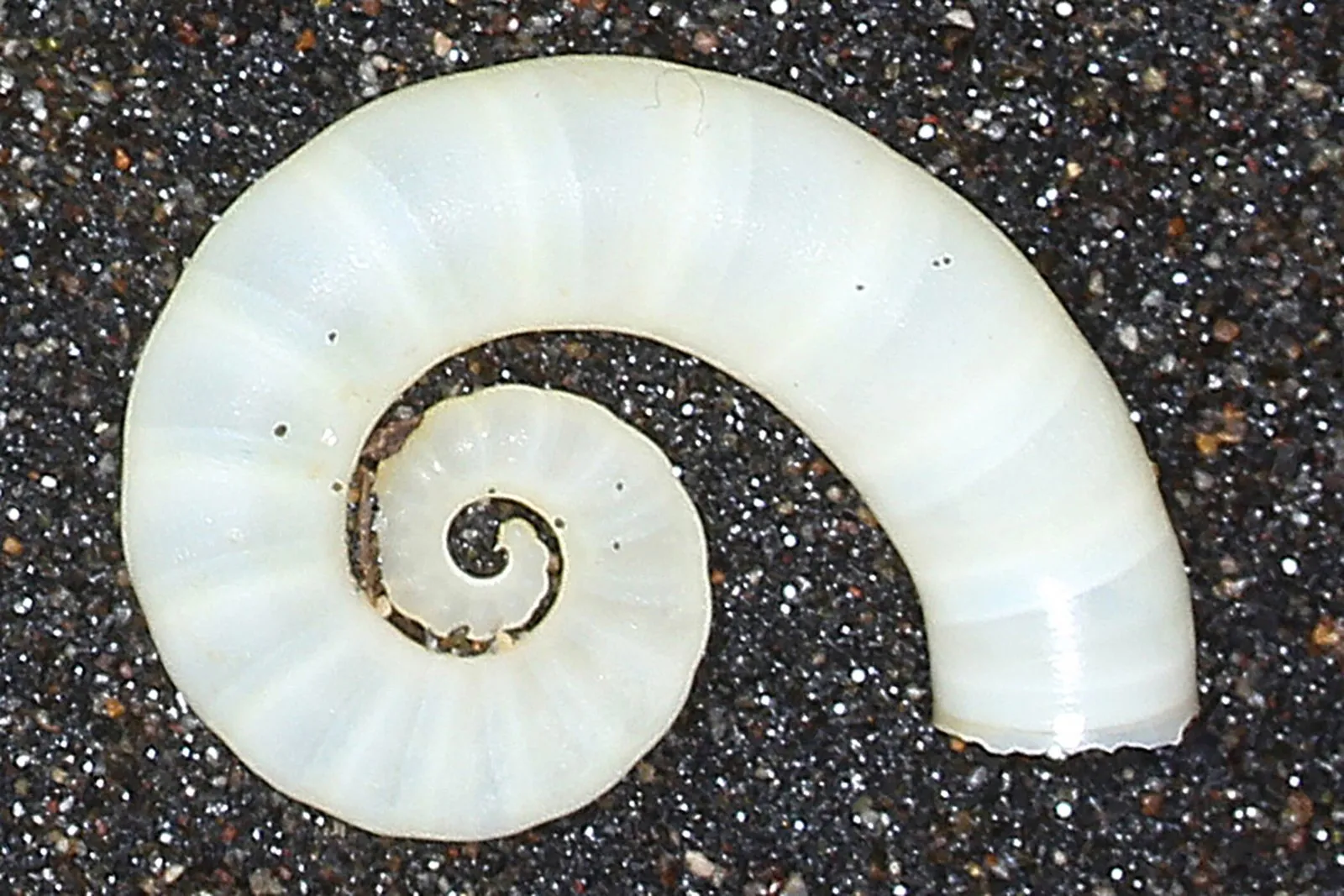
Ram’s Horn Squid (Spirula spirula): live animals are very rarely seen, but their empty, coiled shells often wash up on beaches. Photo: Gernot Kunz
Crabs and other crustaceans
The crustaceans grow from 25 to 44 species. New are, among others, the Mangrove Root Crab (Goniopsis cruentata), the Dancing Fiddler Crab (Leptuca terpsichores), the Atlantic Ghost Crab (Ocypode quadrata), two swimming crabs of the genus Callinectes, the Elegant Hermit Crab (Aniculus elegans) and the Common Pill Woodlouse (Armadillidium vulgare).

Mangrove Root Crab (Goniopsis cruentata), a strikingly coloured crab of the Caribbean mangroves. Photo: Gernot Kunz
Butterflies, moths and other insects
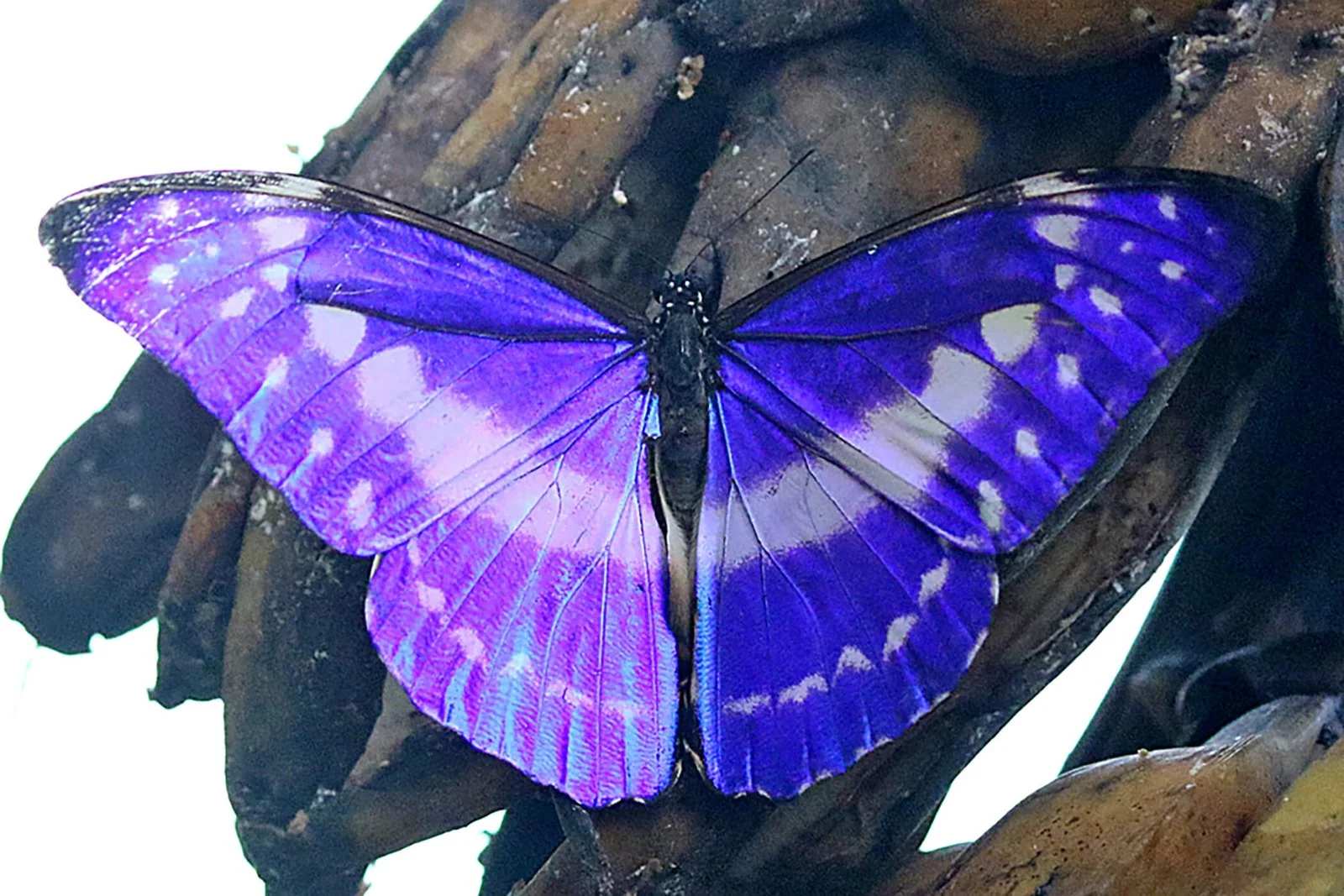
Forty-four new insects, most of them butterflies and moths: the Cypris Morpho (Morpho cypris) and the Theseus Morpho (Morpho theseus), several owl butterflies of the genus Opsiphanes, hawk moths of the genus Xylophanes, and caterpillars and pupae of Caligo, Pierella and Antirrhea. The dragonflies gain the Wandering Glider (Pantala flavescens), together with its larva.
Birds of prey and a macaw
Among the new birds are the Black Hawk-Eagle (Spizaetus tyrannus), the Barred Hawk (Morphnarchus princeps), the Zone-tailed Hawk (Buteo albonotatus) and the Red-tailed Hawk (Buteo jamaicensis).
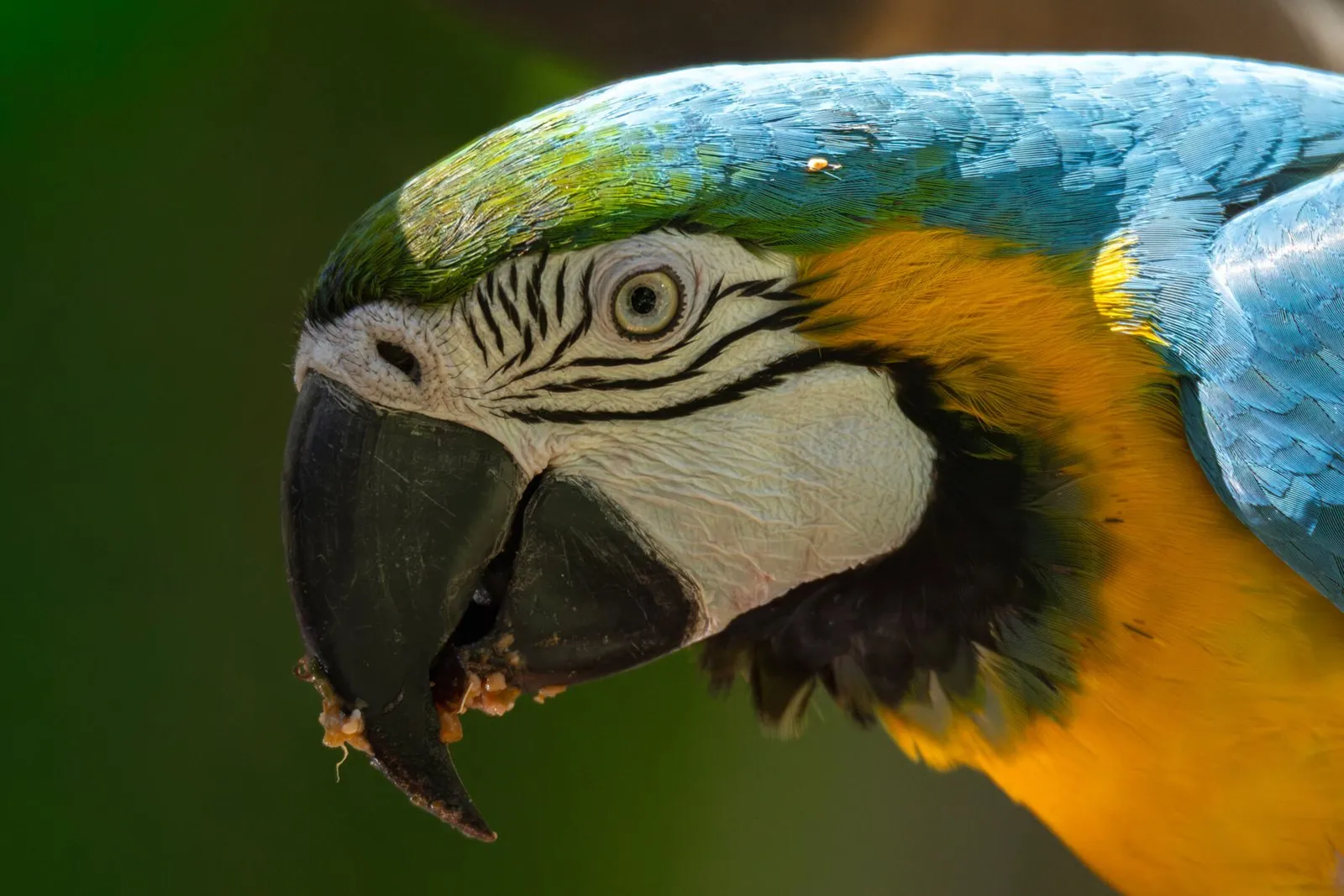
Blue-and-yellow Macaw (Ara ararauna). Its natural range reaches north only to eastern Panama, so it is not a native bird of Costa Rica, but it can be met here. Photo: Manuel Raab
Species by group
Only the groups that changed are listed.
| Group | Previous version | New version |
|---|---|---|
| Insects | 5,567 | 5,611 |
| Birds | 486 | 494 |
| Mammals | 80 | 81 |
| Crustaceans | 25 | 44 |
| Cephalopods | 0 | 1 |
| Total | 7,048 | 7,121 |
Names and corrections
29 species were renamed, mostly because an earlier provisional identification could now be confirmed, for example Ocypode gaudichaudii, Heteroconger klausewitzi, Porcellio scaber and Singularia mayaensis. Woodlice that used to sit among the decapods moved into the new order Isopoda.
How to get the update
Open the app while you are online: it downloads the new species data in the background and shows a short message when it is done. The next time you start the app, the new content is there. You need version 2.0 or newer from Google Play or the App Store.
If you spot a species that is missing or wrongly described, please tell us through the contact form.